
Commercial Property Damage
Commercial property damage can be a significant setback for businesses, disrupting operations and causing financial strain. Whether it's due to natural disasters, accidents, or other unforeseen events, the aftermath of property damage requires careful attention and strategic action. In this guide, we'll explore the nuances of commercial property damage and the essential steps involved in filing and navigating commercial property damage claims.
Commercial Property Damage: The Basics
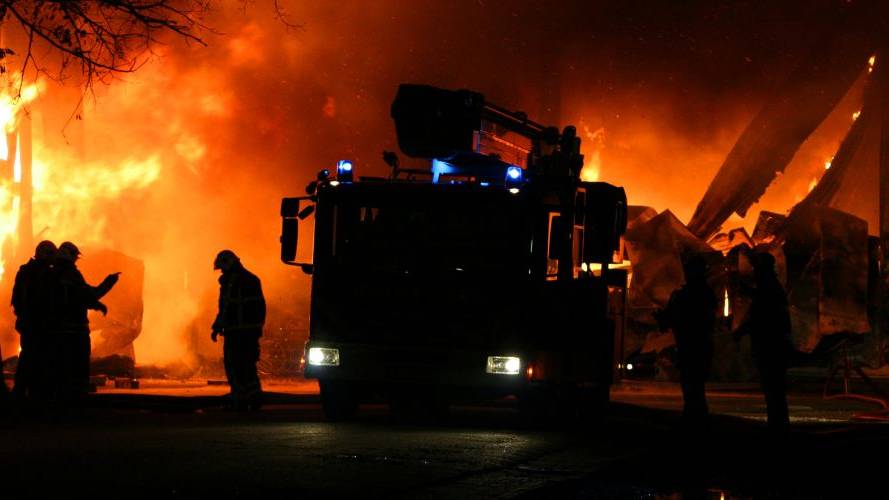
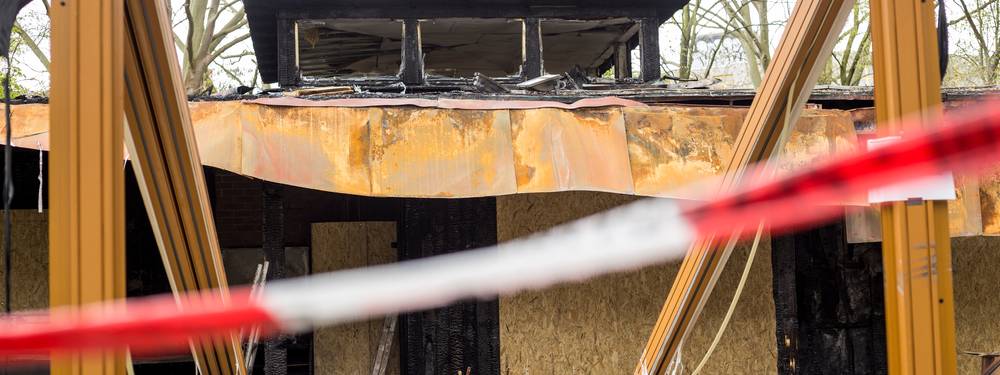
Commercial property damage refers to the harm inflicted on structures, equipment, inventory, and other assets owned by businesses. This damage can arise from various sources, including fire, water leaks, storms, vandalism, and accidents. The impact of such damage goes beyond the physical aspects, affecting a company's ability to conduct business smoothly.
Get a claims estimate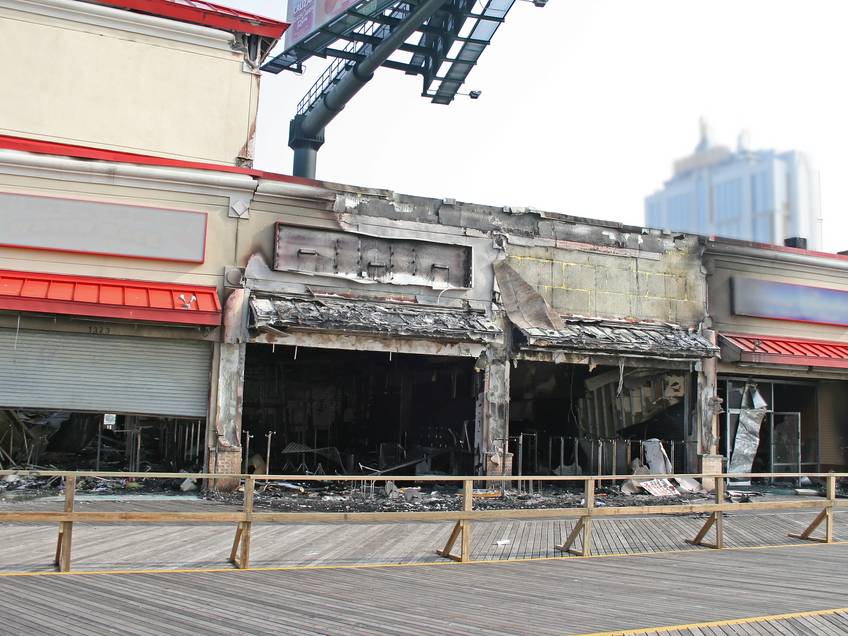
Types of Commercial Property Damage
- Natural Disasters: Events like hurricanes, floods, earthquakes, and tornadoes can cause extensive damage to commercial properties.
- Accidents: Mishaps such as fires, chemical spills, or structural failures can lead to severe property damage.
- Vandalism and Theft: Intentional damage to property or theft can result in financial loss and operational disruption.
- Equipment Failure: Malfunctions or breakdowns in machinery or essential equipment can lead to property damage.
Navigating Commercial Property Damage Claims
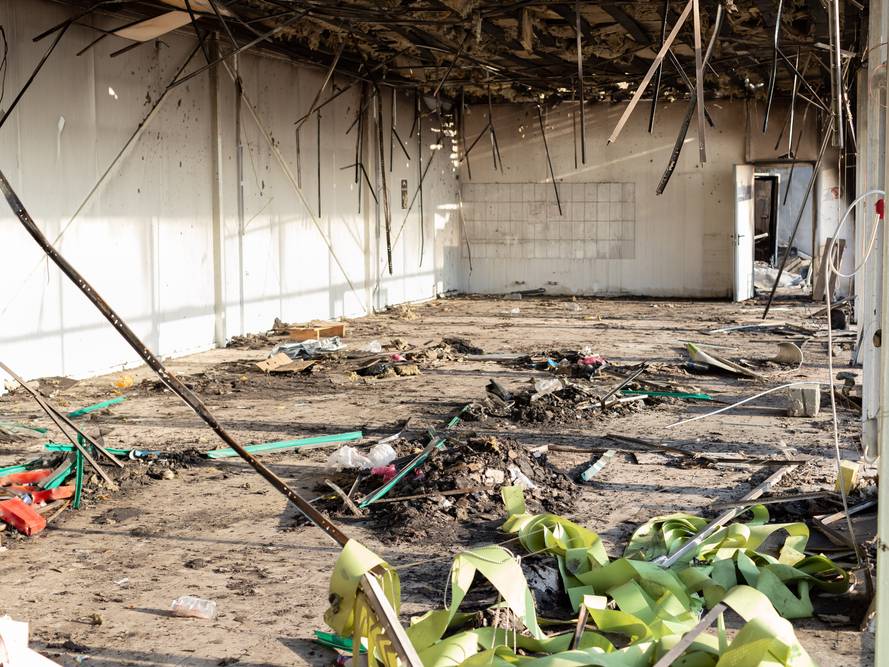
When faced with commercial property damage, businesses must take prompt and systematic steps to initiate the claims process. This involves working closely with insurance providers, documenting the damage, and understanding the coverage and limitations of the policy.
- Assessment and Documentation
The first crucial step is to assess the extent of the damage. Document every detail, including photographs, videos, and written descriptions. This comprehensive documentation serves as valuable evidence during the claims process. - Contacting Your Insurance Provider
Notify your insurance provider as soon as possible. Provide them with the documented evidence and a detailed account of the incident. Prompt communication is essential to initiate the claims process promptly. - Reviewing Insurance Coverage
Thoroughly review your insurance policy to understand the scope of coverage. Different policies may have varying provisions for different types of damage. Knowing your coverage helps you manage expectations and ensures a smoother claims process. - Securing the Property
Take immediate steps to secure the damaged property to prevent further losses or unauthorized access. This may involve temporary repairs or hiring security personnel. - Working with Adjusters
Insurance adjusters will assess the damage on behalf of the insurance company. Cooperate with them, providing access to the damaged areas and any additional information they may require. - Documenting Expenses and Losses
Keep meticulous records of all expenses related to property damage, including repair costs, temporary relocation expenses, and lost revenue. This documentation is vital for accurately calculating the claim amount. - Filing the Claim
Submit a detailed claim with all supporting documentation to your insurance provider. Be thorough and transparent in providing information to expedite the claims process. - Negotiation and Settlement
Insurance companies may present an initial settlement offer. Review this offer carefully and, if necessary, negotiate for a fair and equitable settlement that adequately covers your losses.
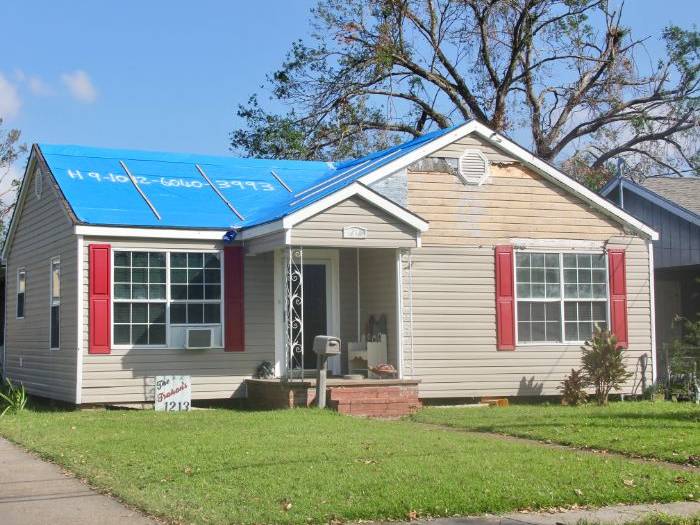
Melo Property Claims Have Years of Experience
Commercial property damage can pose significant challenges to businesses, but a proactive and strategic approach to the claims process can help mitigate the impact. By understanding the basics of commercial property damage and following the necessary steps, businesses can navigate the aftermath more effectively, facilitating a quicker recovery and return to normal operations.
Get started